



Francesco Forcellini
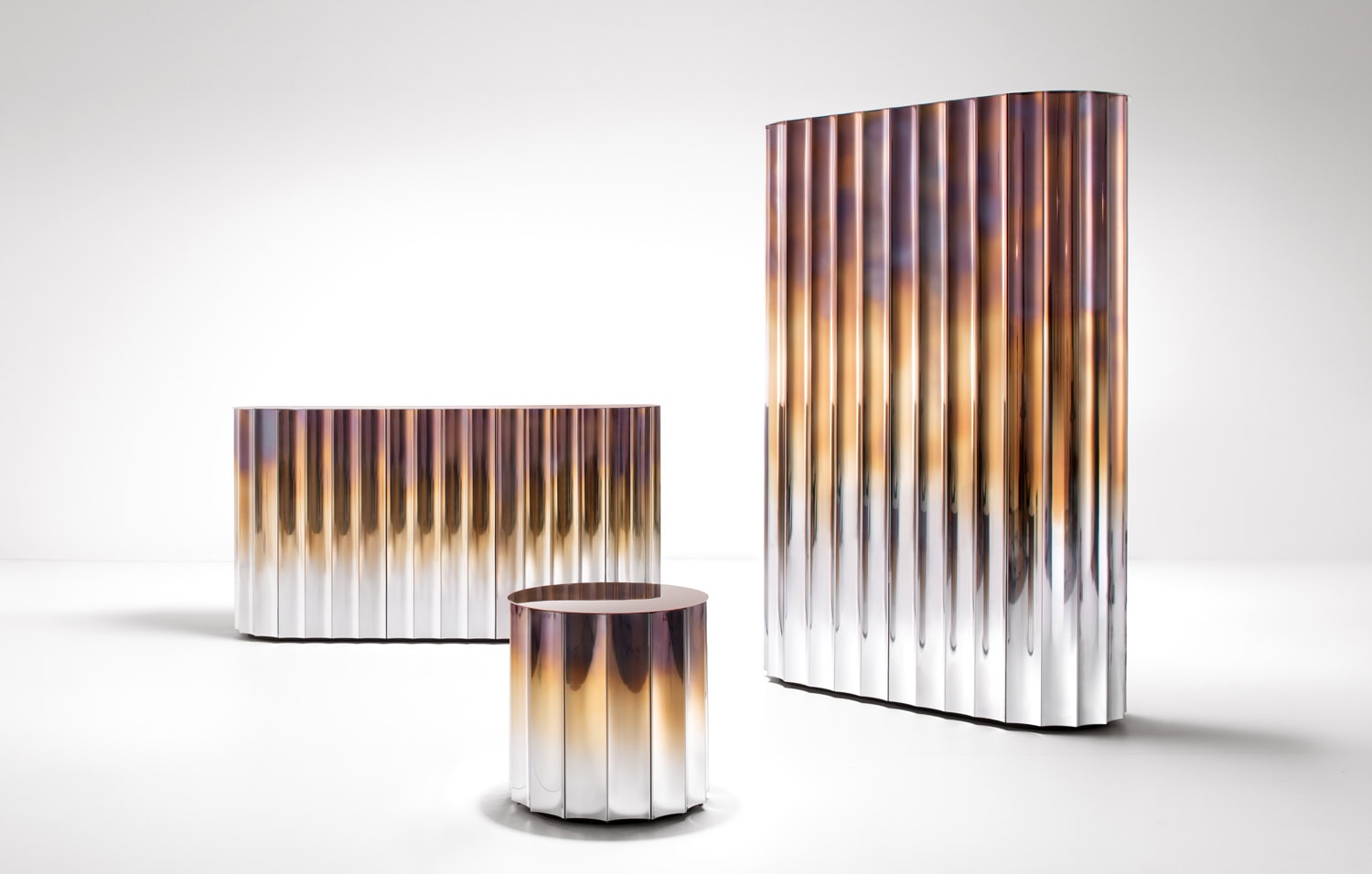
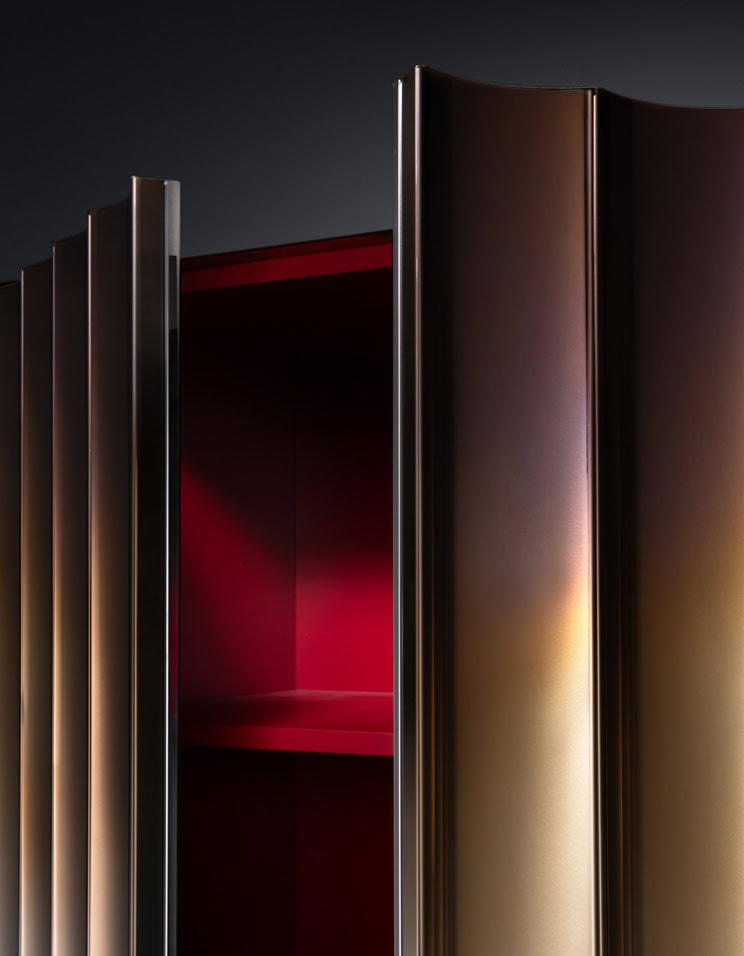
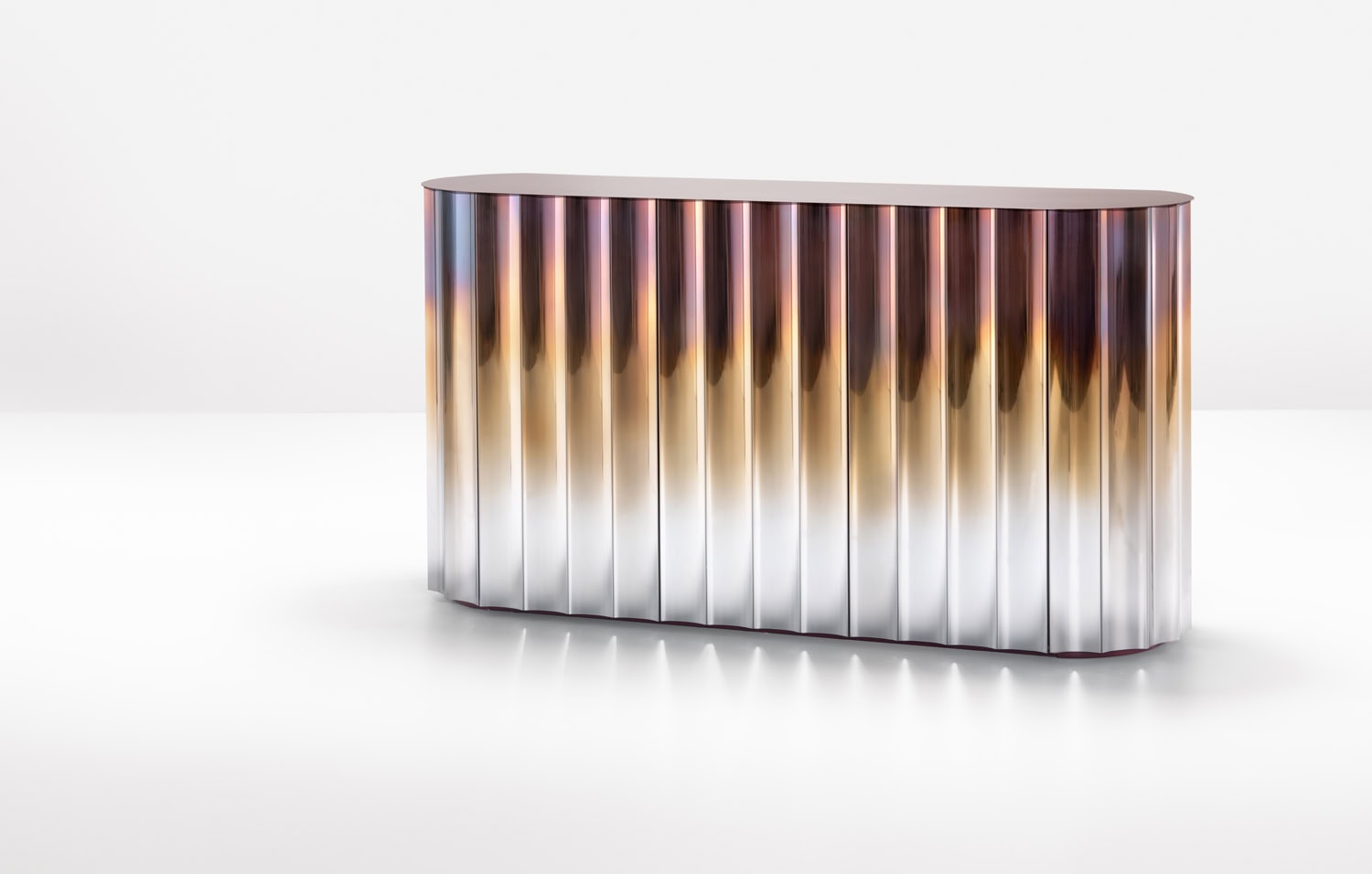
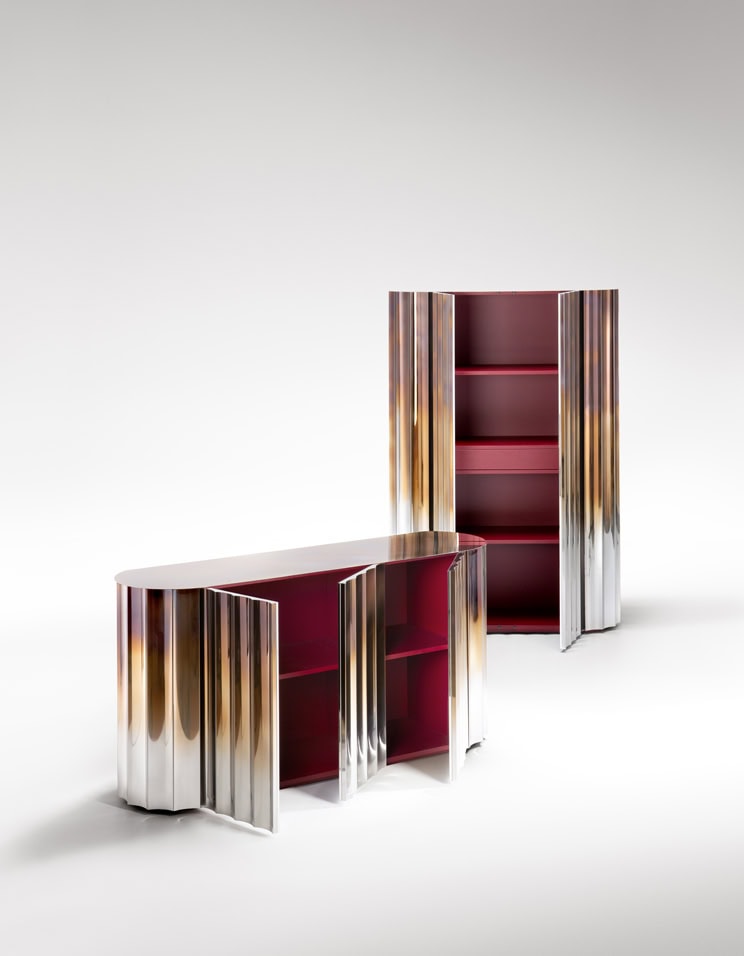
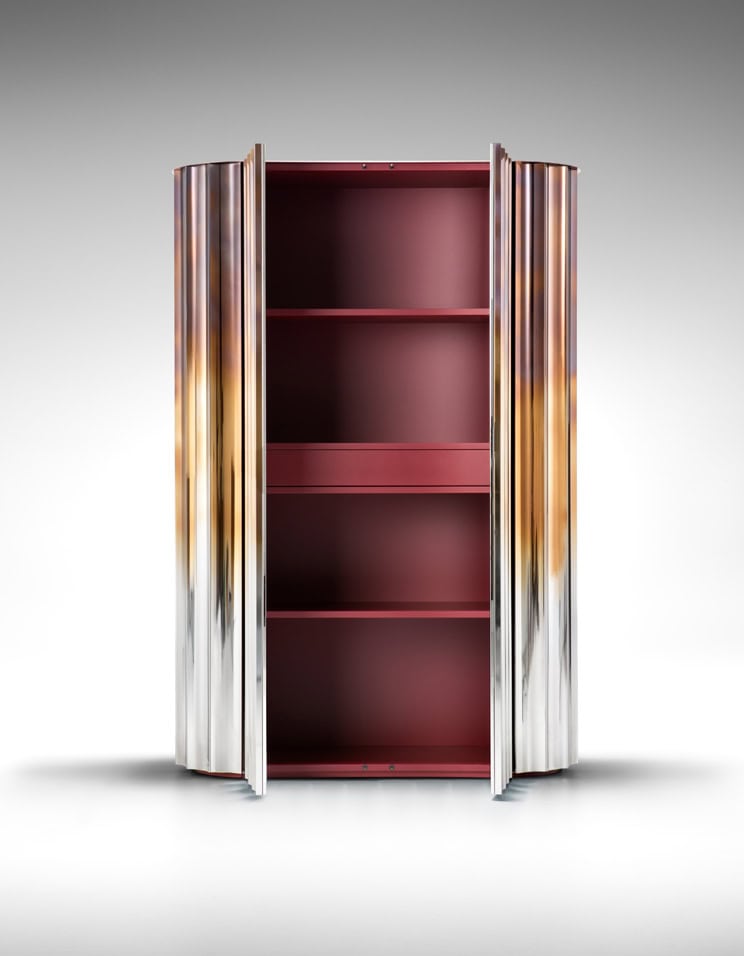
In a rich and thoughtful exchange with Francesco Forcellini, De Castelli explores the relationship between material and surface, and between objects and design thinking. From this dialogue comes the narrative of the Dorica collection: a series of furniture pieces that reinterprets the formal clarity of Greek architectural language through the transformative potential of metal, capable of evolving in form and texture, and of conveying light, rhythm, movement, and storytelling within space.
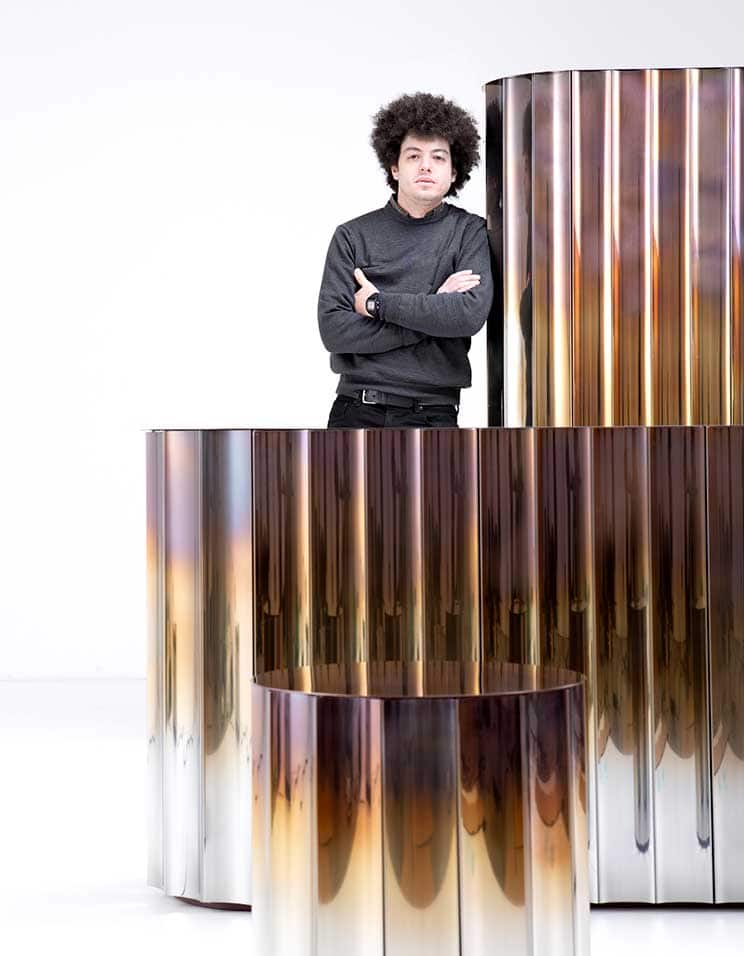
DC What was the inspiration behind the realization of the Dorica collection? Why does this project hold such significance for you?
FF This project has been especially important to me because it builds upon the Dorico system presented last year, expanding it into a complete collection of storage furniture in which both the architectural envelope and the objects within it are shaped by the same underlying logic. I believe that, within the contemporary design landscape, it is essential to develop products and systems capable of generating a wide range of possibilities for interior environments.
Creatively, the Dorica collection also closely reflects my own approach to design: starting from archetypal forms and reducing them to their essential qualities while preserving their formal identity. The result is a language with a strong communicative presence, capable of balancing a sense of familiarity with a forward-looking vision of design.
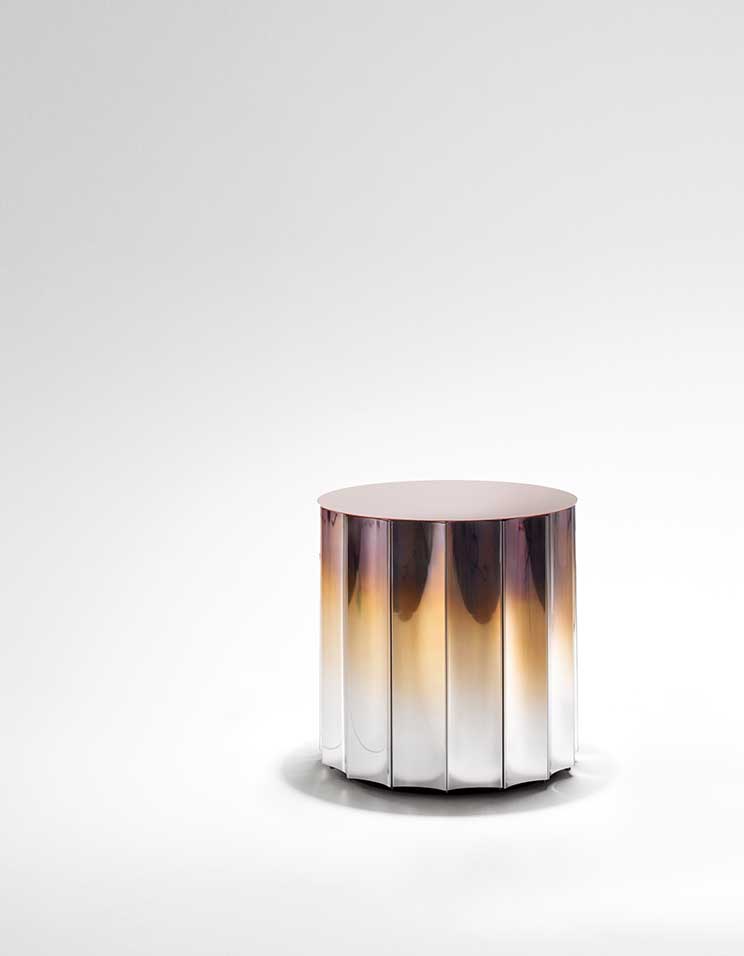
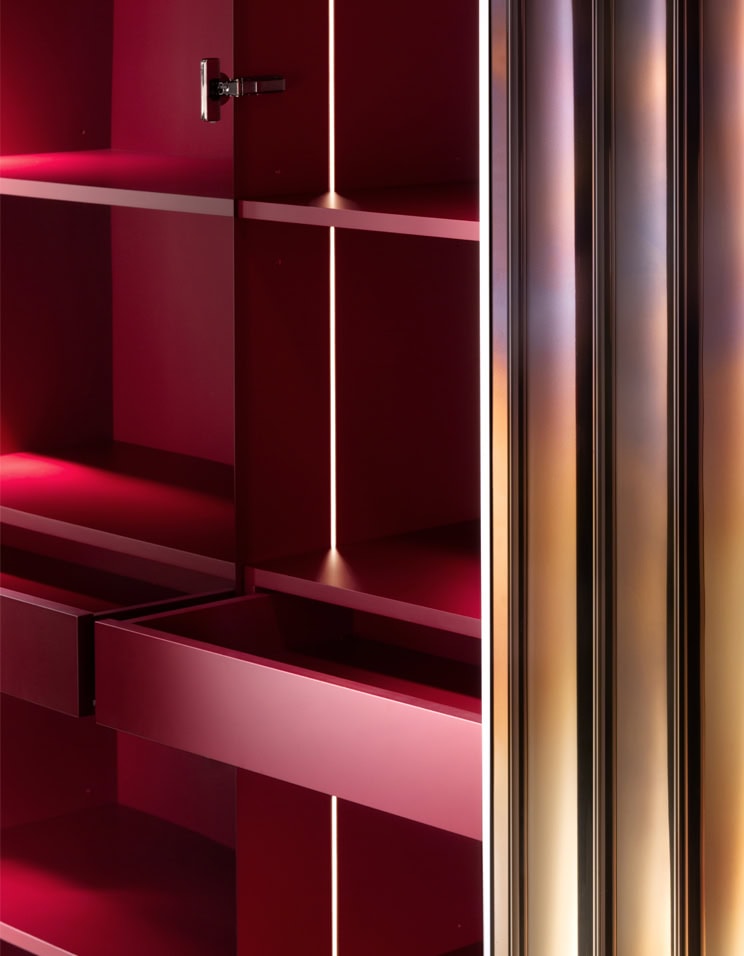
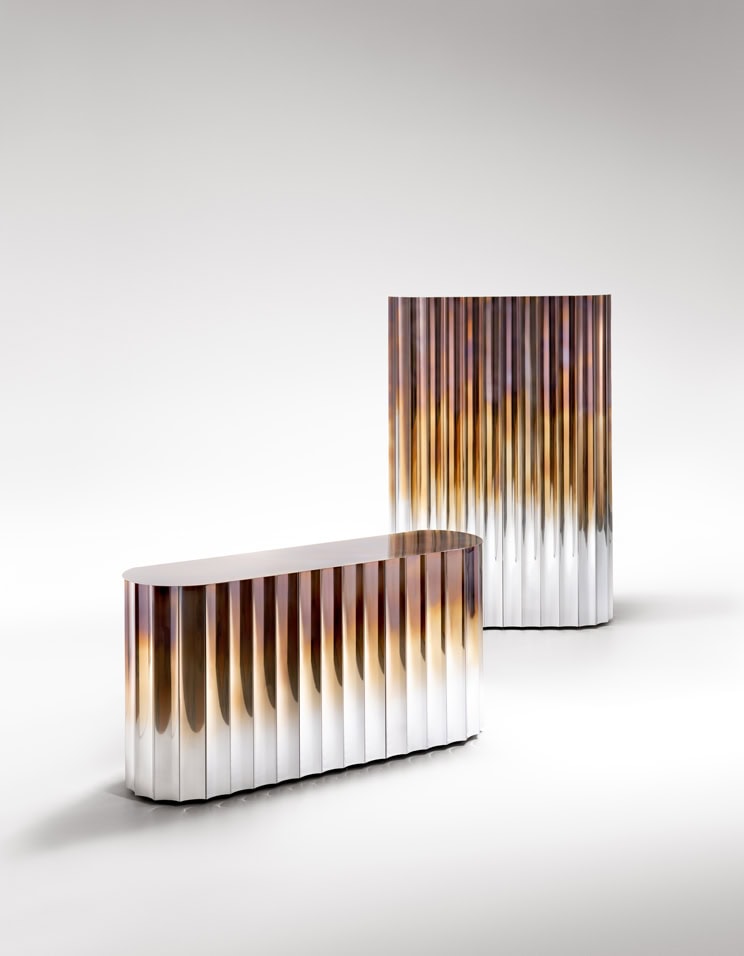
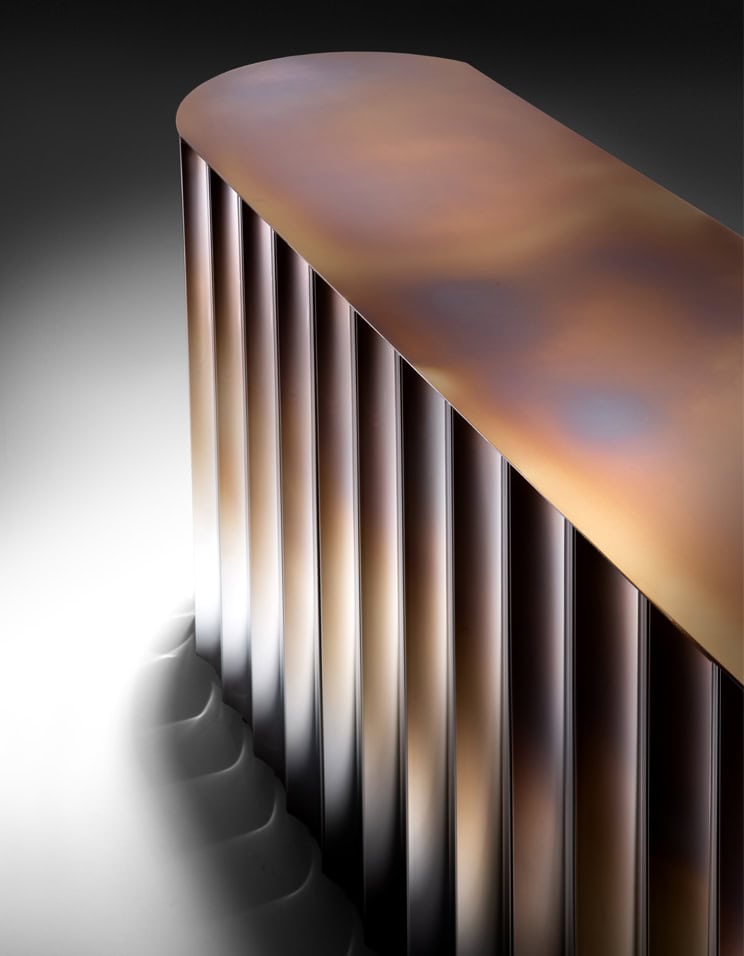
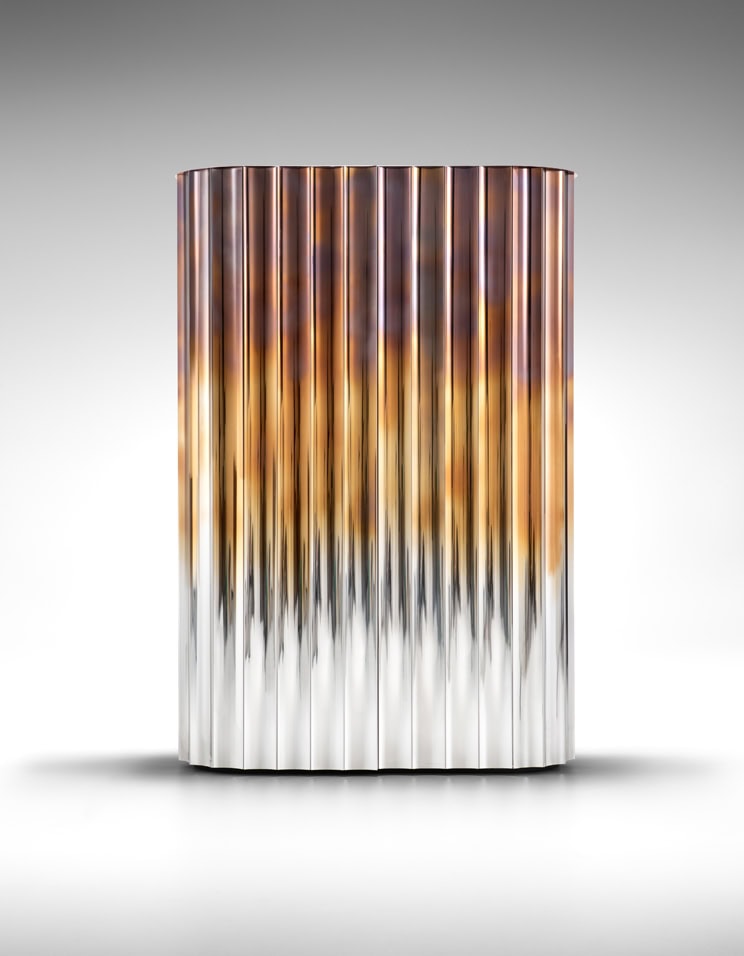
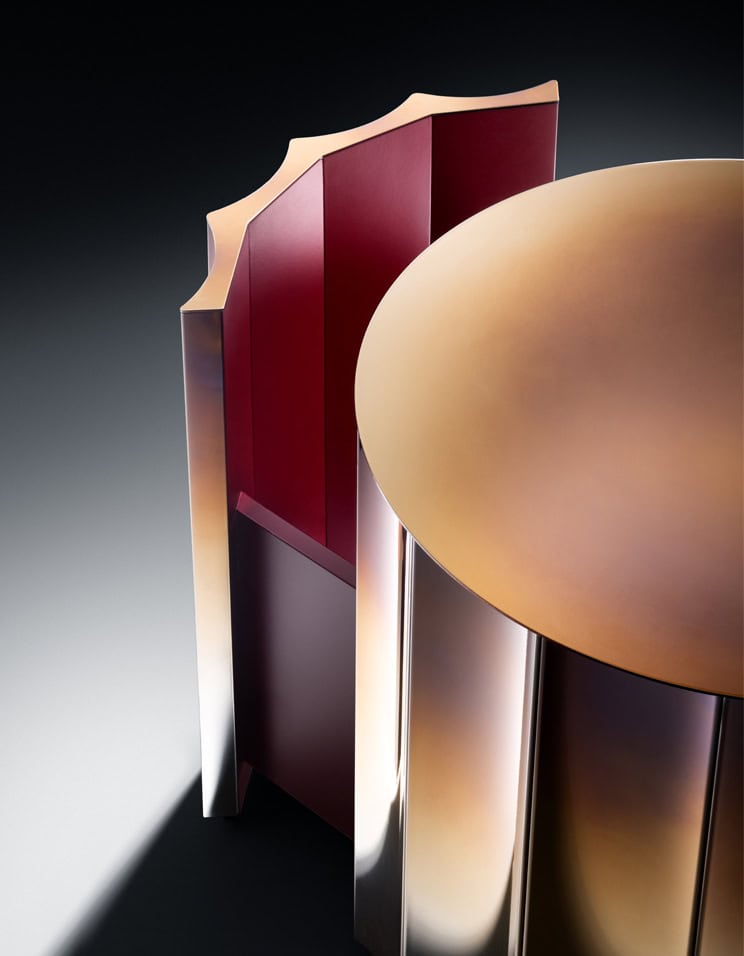
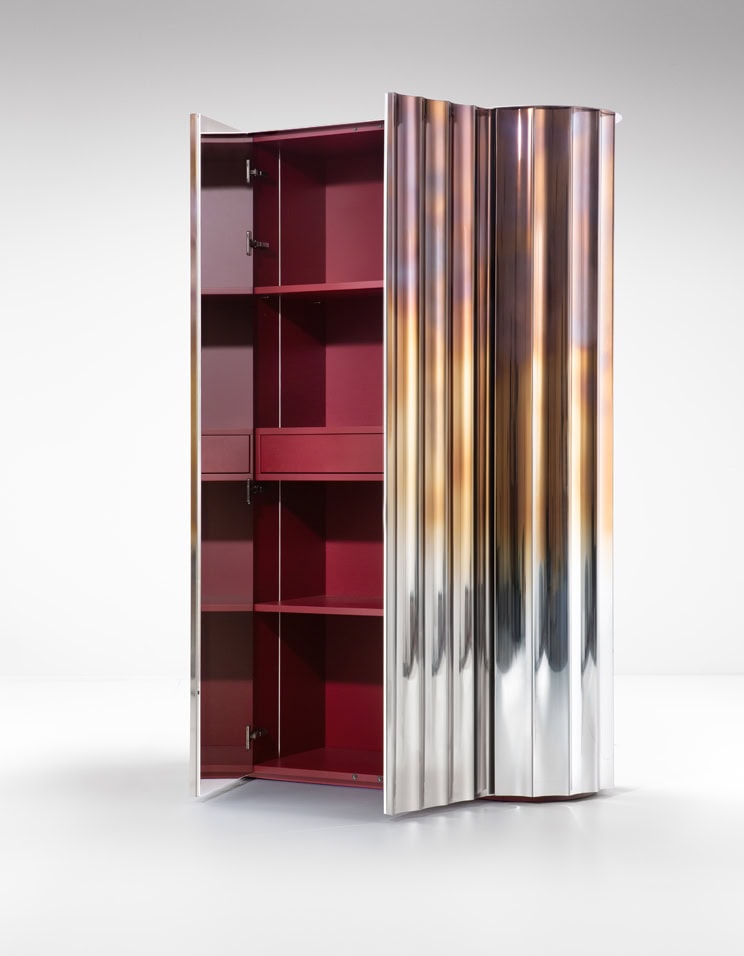
DC What role did the material, and thus metal, play in the creative process?
FF Metal was the very starting point of the project, which originated from the desire to give a strong three-dimensional identity to the flat metal sheet. In this sense, De Castelli plays a central role: through advanced technologies, surfaces are transformed and shaped, opening up new aesthetic and formal perspectives.
DC What was the main challenge between the development of the cladding system and that of the collection?
FF The main challenge in designing the Dorico wall system was to develop a recognizable language that could also be optimized for industrial production and adapted to different projects, in line with a methodology that is also characteristic of De Castelli’s approach. The next step, thus the expansion into the furniture collection, with all the necessary formal and technical adaptations, represented a further evolution of this line of thinking. It became an opportunity to increase the relationship between form, technology, material, and a more holistic vision of design: a transformation that I consider consistent with both my approach to design and De Castelli’s design philosophy.
DC Is there a particular note you would like to share about this project?
FF When I design, I make many sketches, searching for a way to shape the metal sheet in a form that is convincing, sculptural, essential, yet representative. During this process, the image of a Doric column emerged, and I realized that by breaking it down into metal modules, the project would take shape almost immediately.
I have always been deeply fascinated by form, and over time I have built a personal visual archive of shapes and proportions, strongly connected to classical archetypes from the history of art and architecture — forms I constantly return to and admire for their clarity and perpetuity. When I understood that this project could draw its identity from the essential, uninterrupted fluting of an architectural historical element, I felt a great sense of excitement. I was convinced that this reference would give the project a deeper strength, because it evokes an almost ancestral signifier: much like metal itself, a material that is equally primordial, yet historically unrelated to these forms.
This interplay of affinities and contrasts adds a unique value to the project. The simple proportion between the curve and the fold recalls this ancient formal memory, communicating something beyond its physical presence and creating a dialogue between past and present.


In a poetic and emotionally resonant dialogue with Jocelyn Yang and Tiffany Liao, De Castelli explores the design philosophy behind the new decorative system Floem.
